

Added To Your Trolley
Quantity:
Checkout using your account
This form is protected by reCAPTCHA - the Google Privacy Policy and Terms of Service apply.
Checkout as a new customer
Creating an account has many benefits:
- See order and shipping status
- Track order history
- Check out faster
Plaster Beading
Collect & Deliver Options


Collect:
Deliver:
Filters
Clear all
Sorry your search has not returned any results. Try different, fewer or more general keywords
Sorry we can't quite find what you're looking for, here are some products that might be helpful
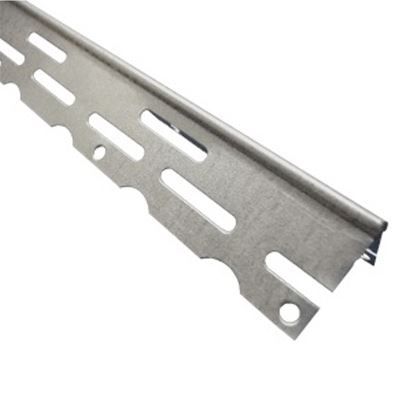

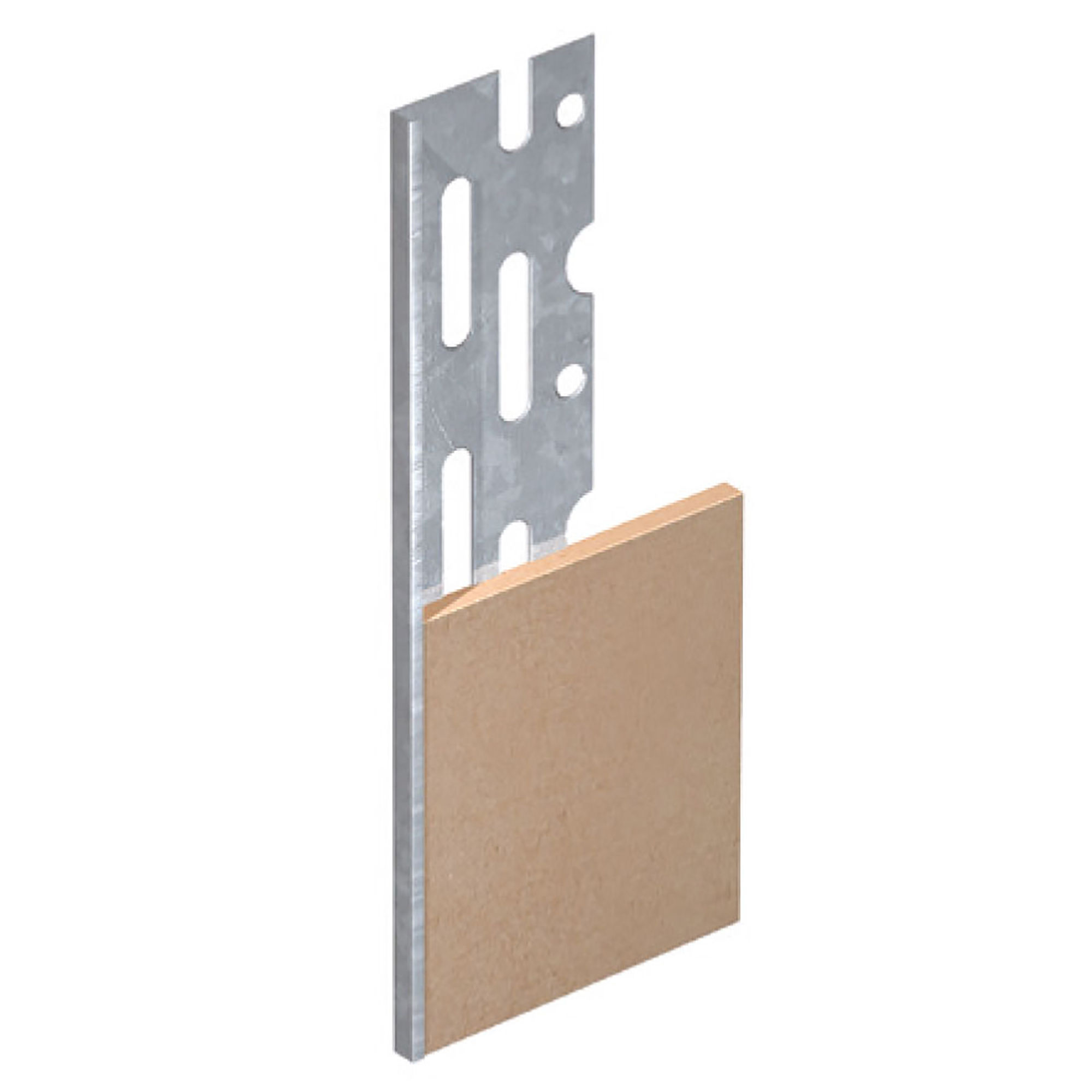
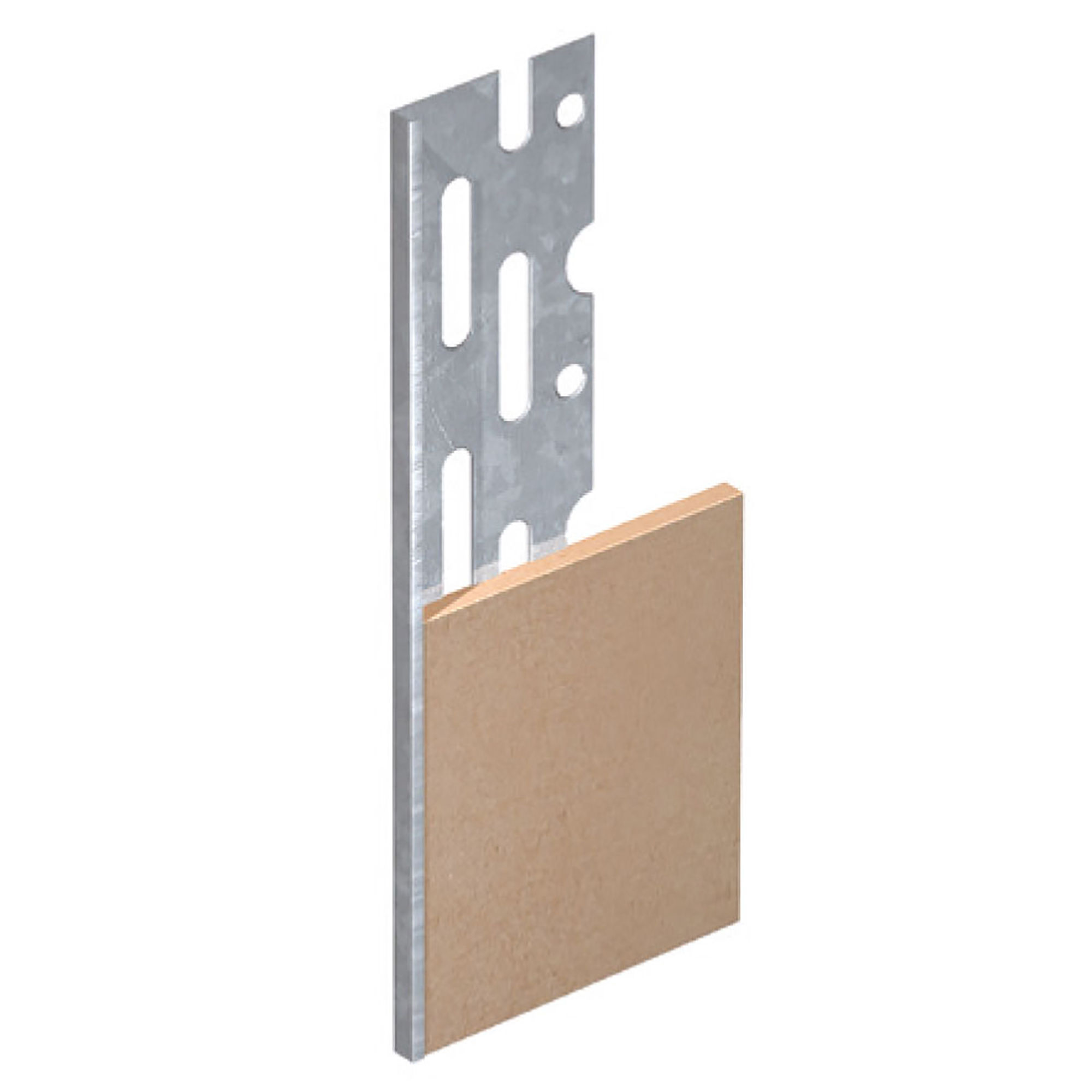
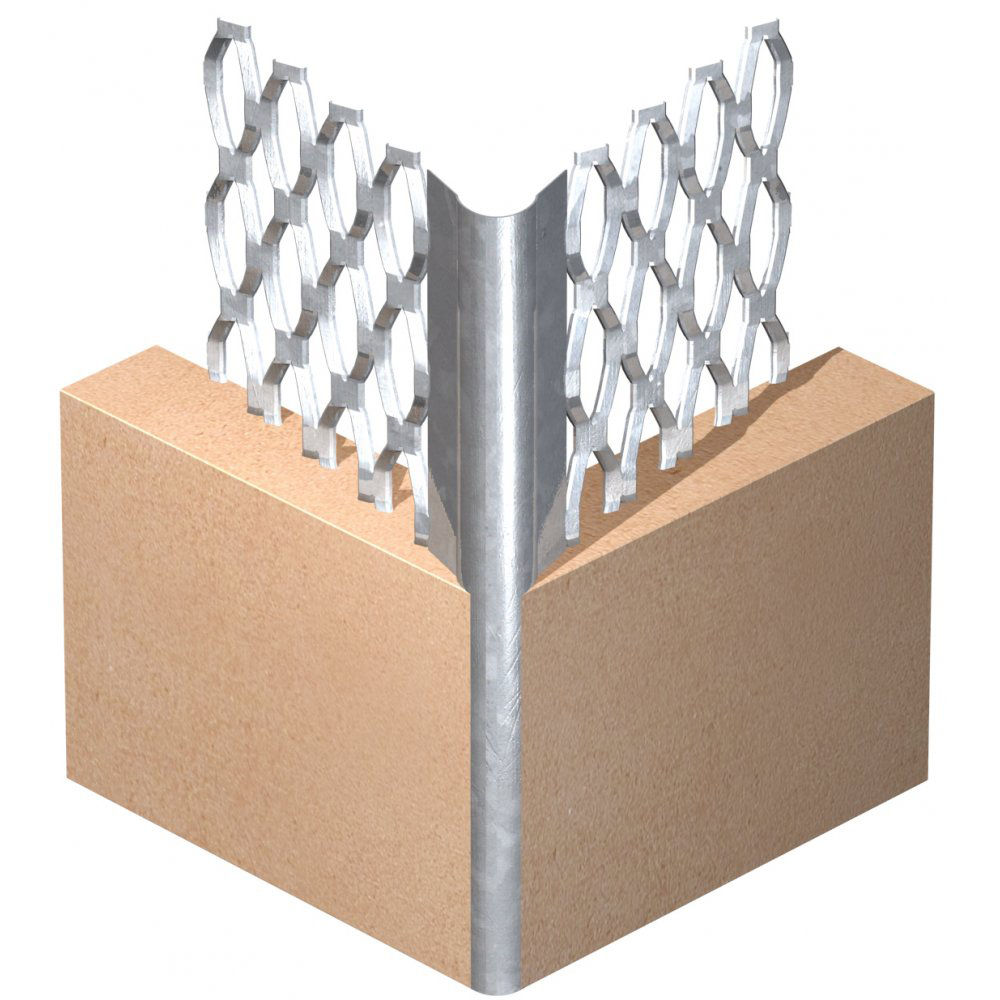
Results Per Page:
60
120
Sort by:
Enquire for delivery or collection availability.
Enquire- <
- >
To Top
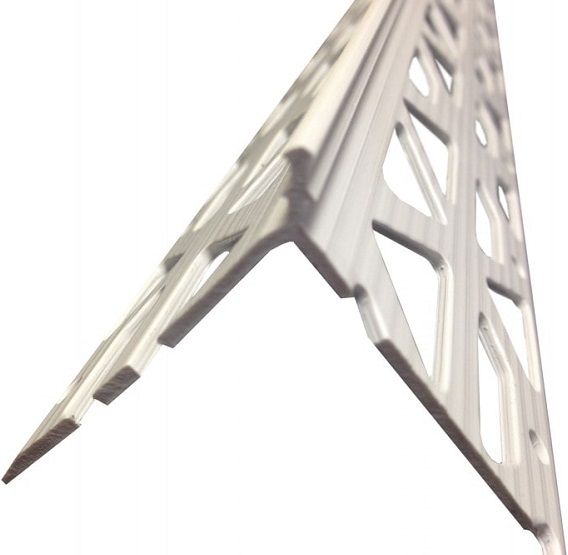
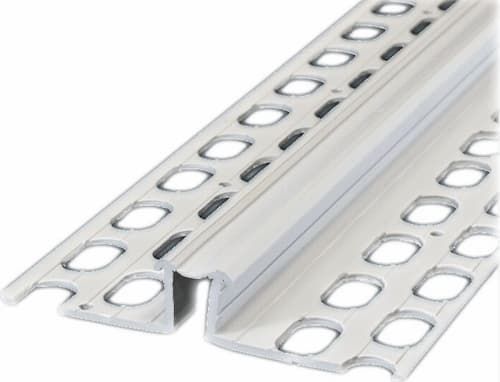
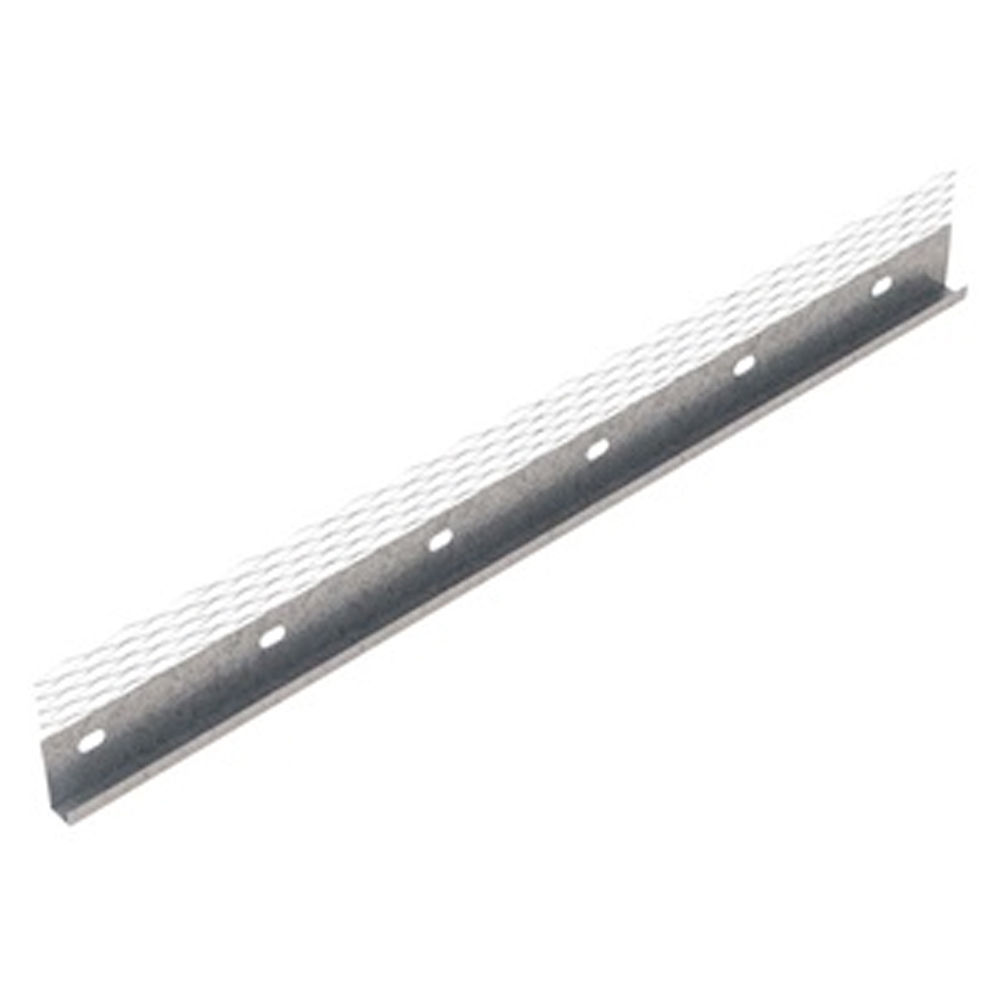
Get clean, durable edges with our selection of plaster beading. From angle beads to stop beads and everything in between, our beading range helps reinforce corners and deliver a crisp, professional plaster finish. Suitable for all types of plasterboard work, these profiles are trusted by trades and DIYers for strength, ease of use, and long-lasting results.
Beading FAQs:
Q: What types of plastering beads do you offer?
A: We stock a comprehensive range of plastering beads to any job:
-
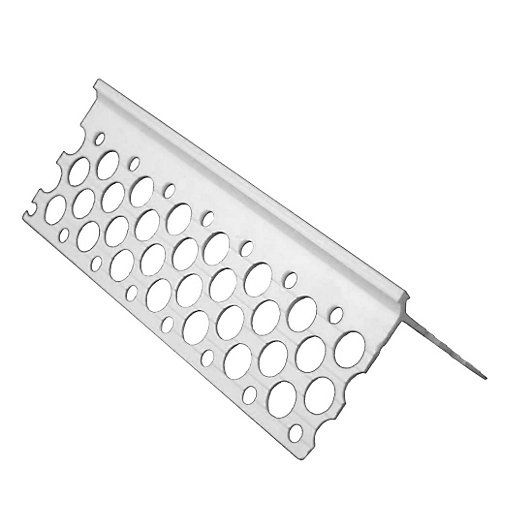
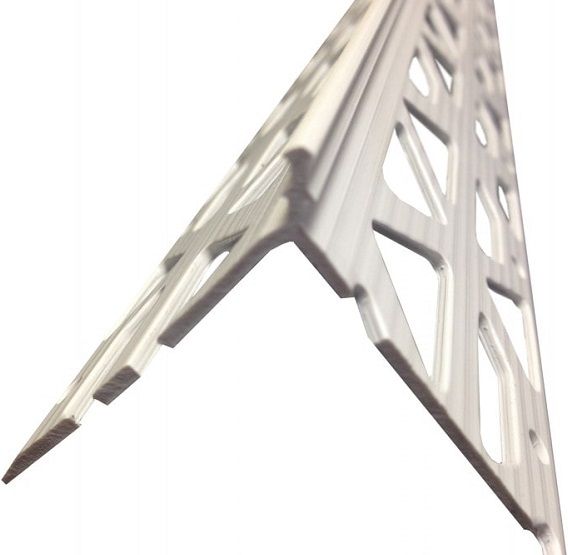
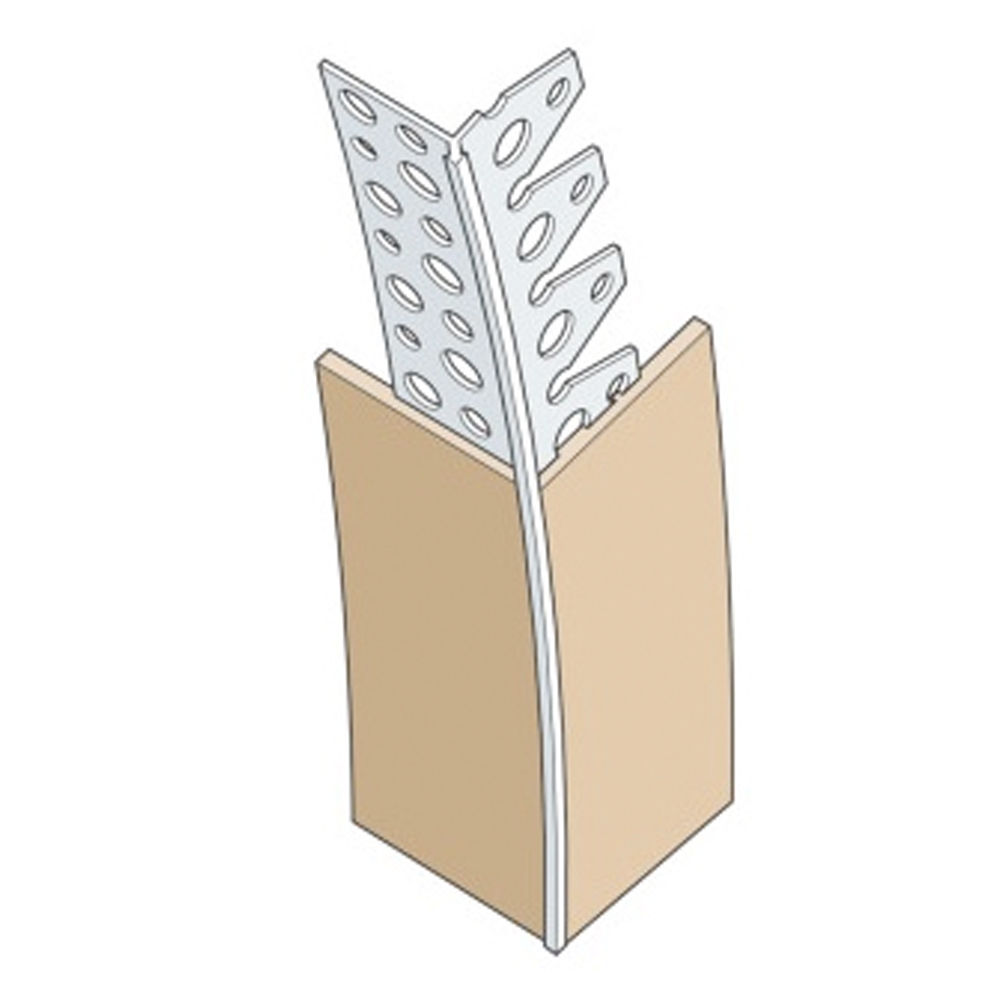
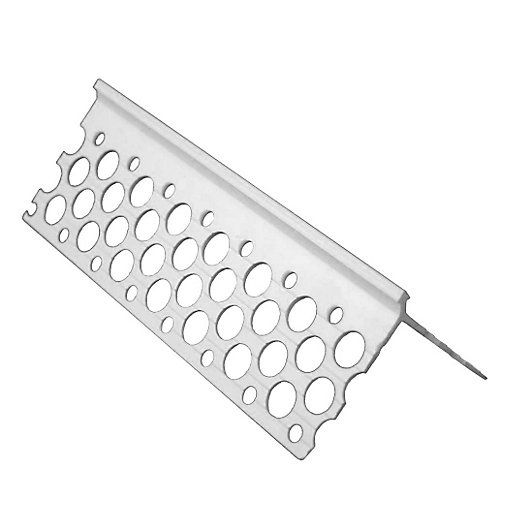
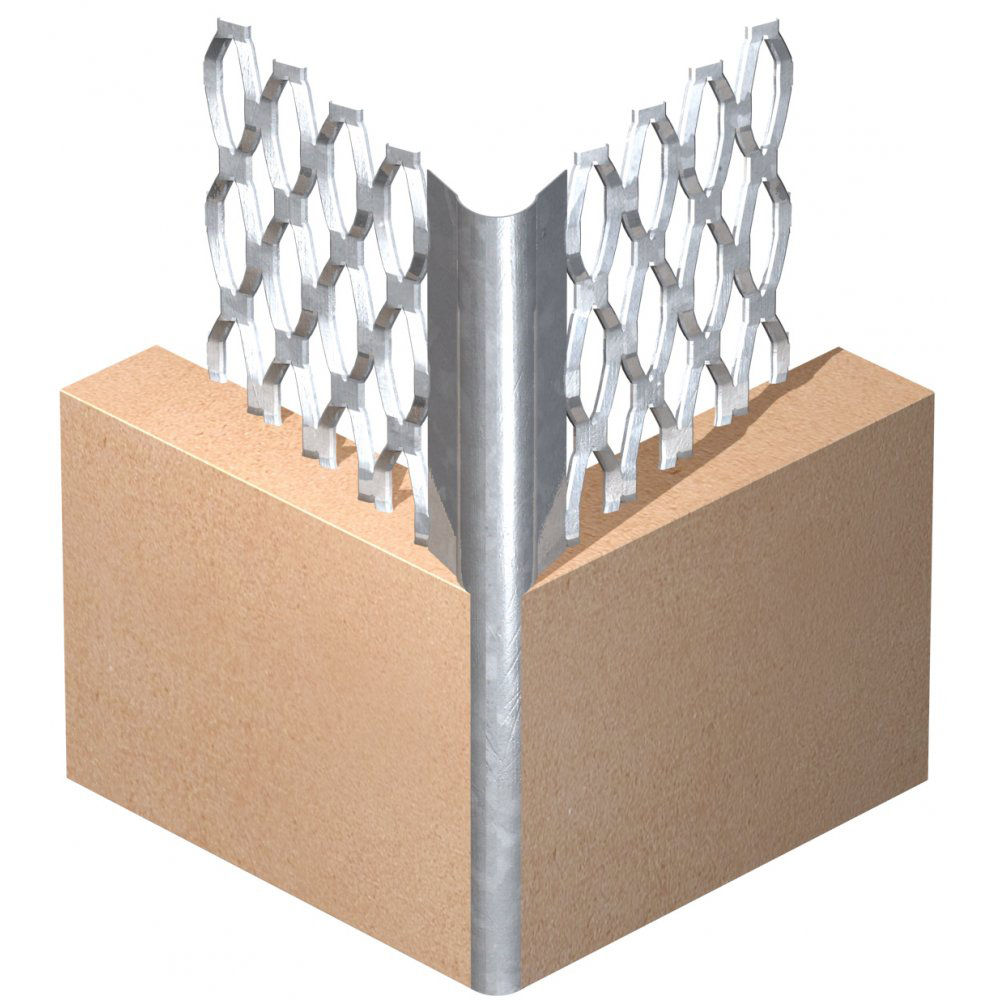
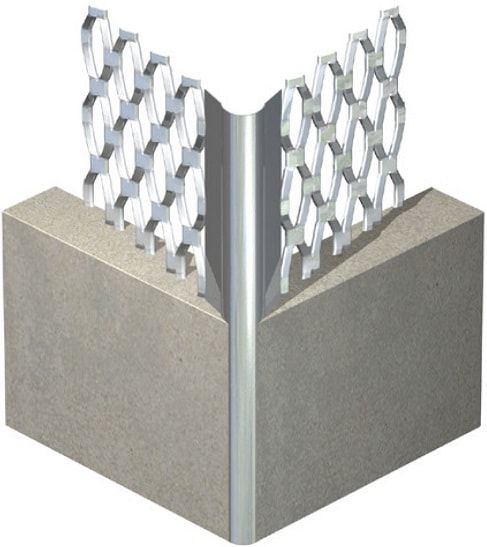
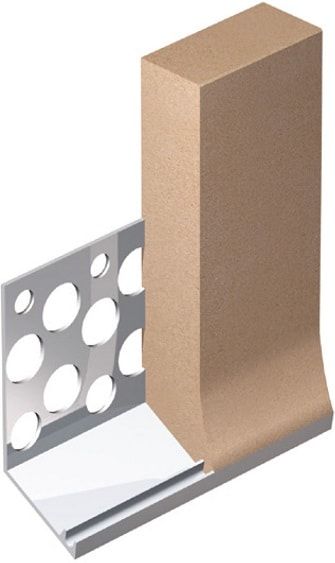
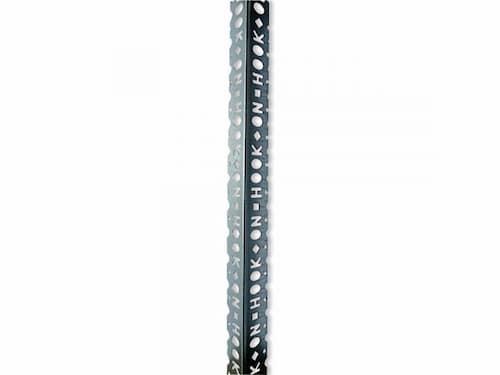
Angle Beads: Provide a straight edge and reinforce external corners, ensuring durability and a clean finish.
-
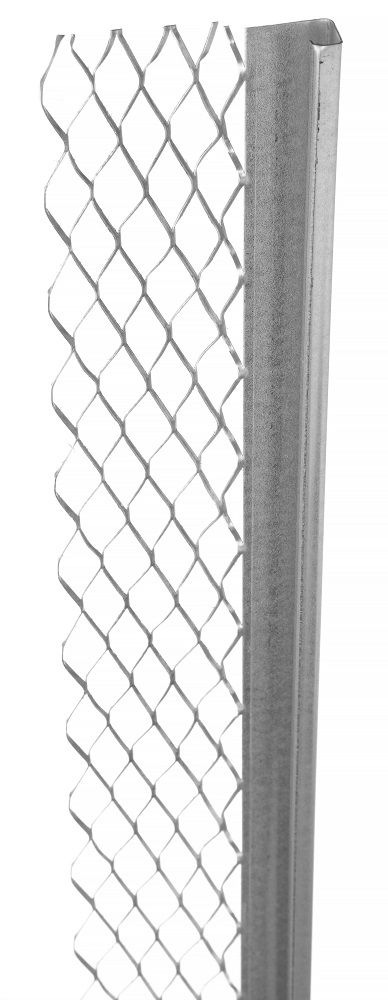
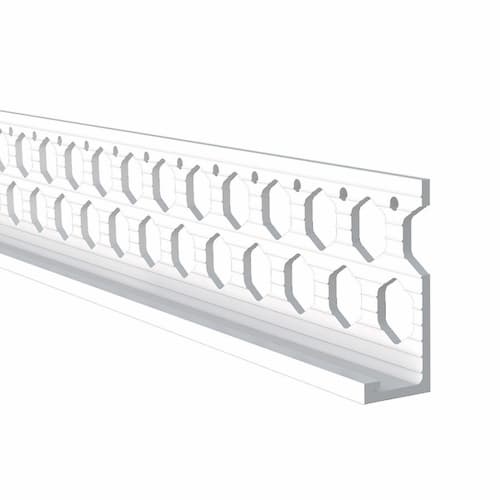
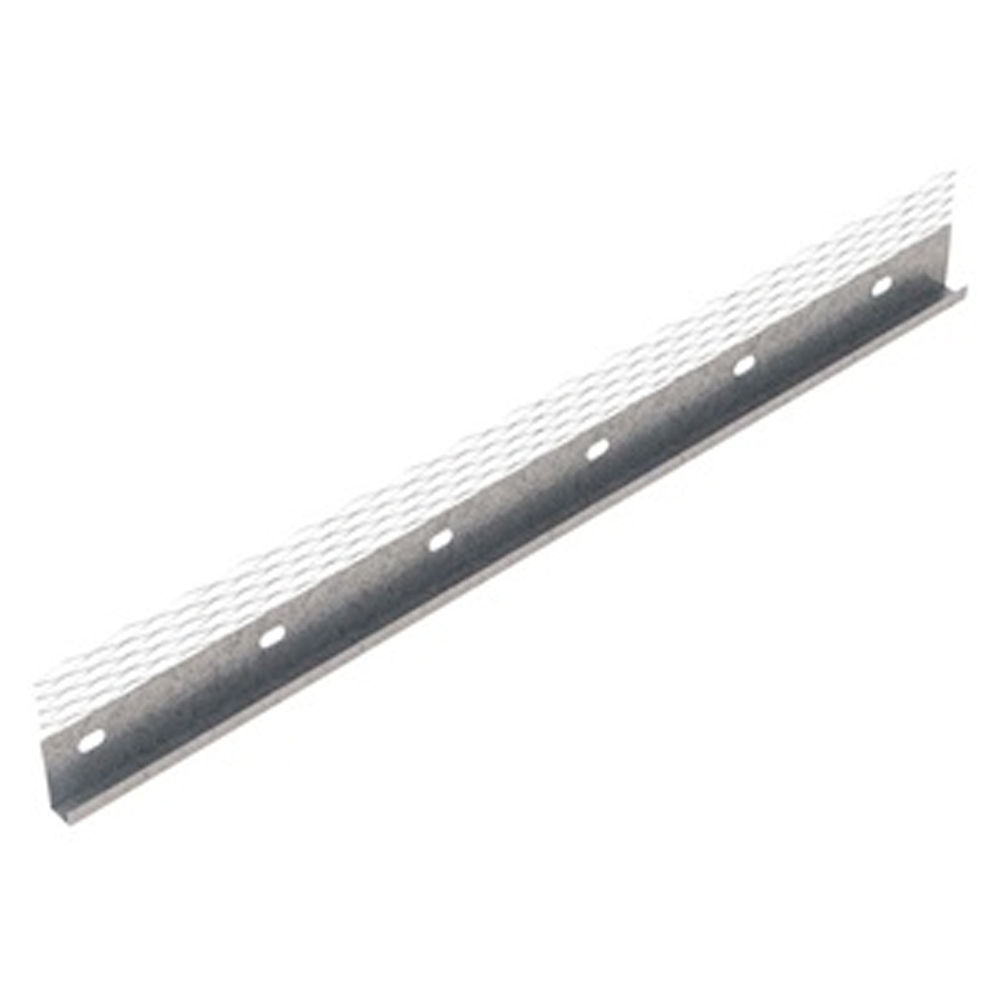
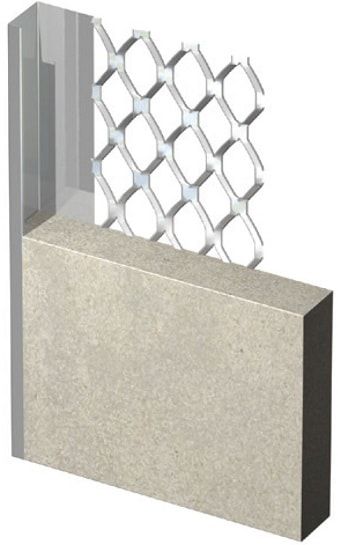
Stop Beads: Create a neat end point for plaster, commonly used around window and door openings.
-
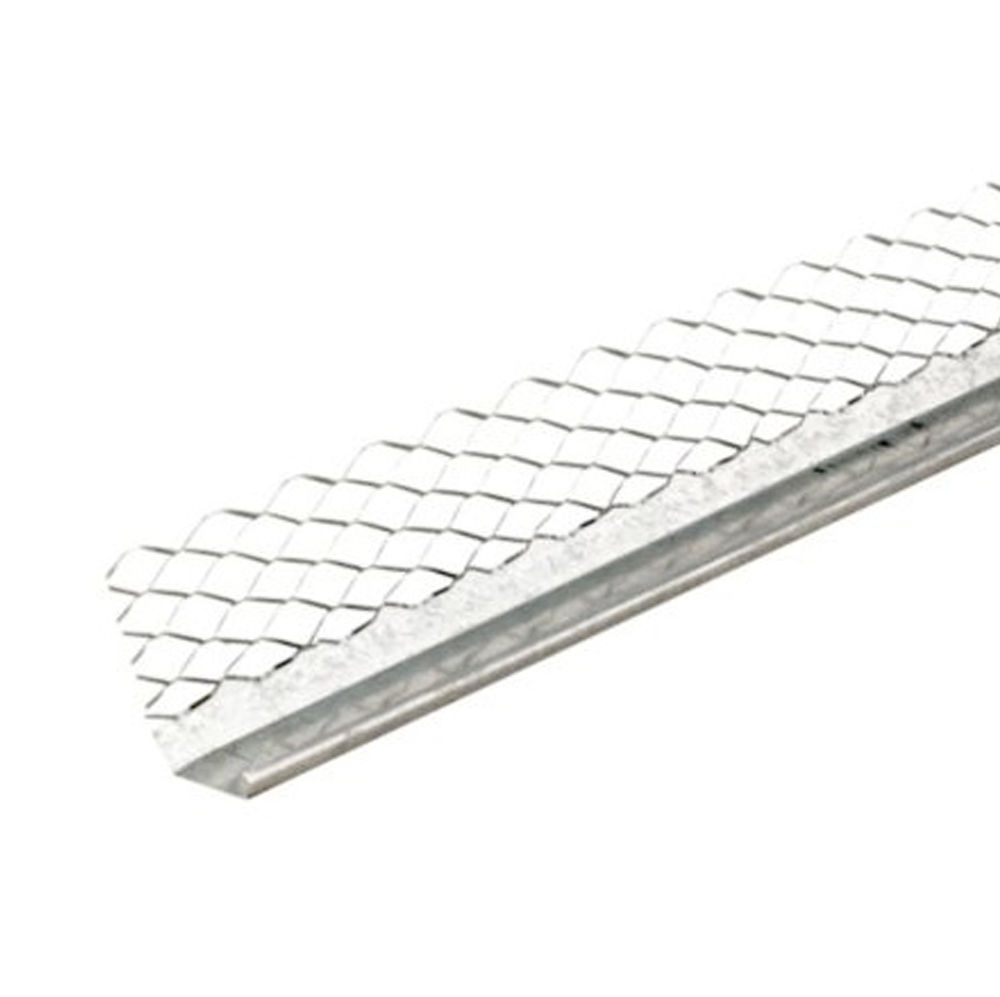
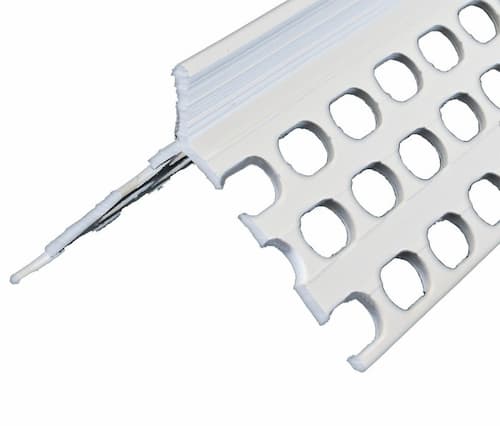
Thin Coat Angle Beads: Designed for use with modern thin coat plaster systems, offering precise edges.
-
Arch Beads: Flexible beads suitable for forming smooth curves in arches and rounded features.
Our range includes beads made from galvanised steel, stainless steel, and PVC, great for both internal and external work.
Q: When should I use angle beads versus stop beads?
A: Angle beads are ideal for reinforcing and shaping external corners, providing a sharp, clean edge and protecting against impact damage. Stop beads are used to define the end of a plastered area, such as where plaster meets a different material or at the edge of a wall, ensuring a straight and tidy finish.
Q: What materials are plastering beads made from?
A: Plastering beads are typically made from:
-
Galvanised Steel: Suitable for most internal applications, offering strength and resistance to corrosion.
-
Stainless Steel: Ideal for external or high-moisture areas, like bathrooms, due to its superior corrosion resistance.
-
PVC: Lightweight and corrosion resistant, suitable for both internal and external use, especially in environments prone to moisture.
Q: How do I install plastering beads?
A: To install plastering beads:
-
Measure and Cut: Determine the required length and cut the bead accordingly using tin snips.
-
Fix in Place: Secure the bead to the surface using appropriate fixings or adhesive, ensuring it is level and properly aligned.
-
Apply Plaster: Apply plaster over the bead, ensuring it is fully embedded and the surface is smooth.
Proper installation ensures a durable and professional finish.
Q: Do you offer delivery for plastering beads?
A: Yes, we provide delivery services for all our plastering beads. Delivery options and timescales can be found on our website or by contacting your local JT Atkinson branch.
Nearby Branches
Please select an account to use